
The Preface
This guide, The Electric Truth: Essential and Practical Insights for an EV Future, is free to all who want to know more about Electric Vehicle ownership and the history of the EV. Is it perfect? No, but it can help you make the right decision on your next automobile.

Section 1: The Great Gasoline Myth Uncovered
Has there ever been a better fuel than gasoline to propel our transportation system? Well…yes! It is called “electricity!” And the fact that anyone would debate this fact is telling as to the brainwashing that has taken place in our culture. Read and learn.
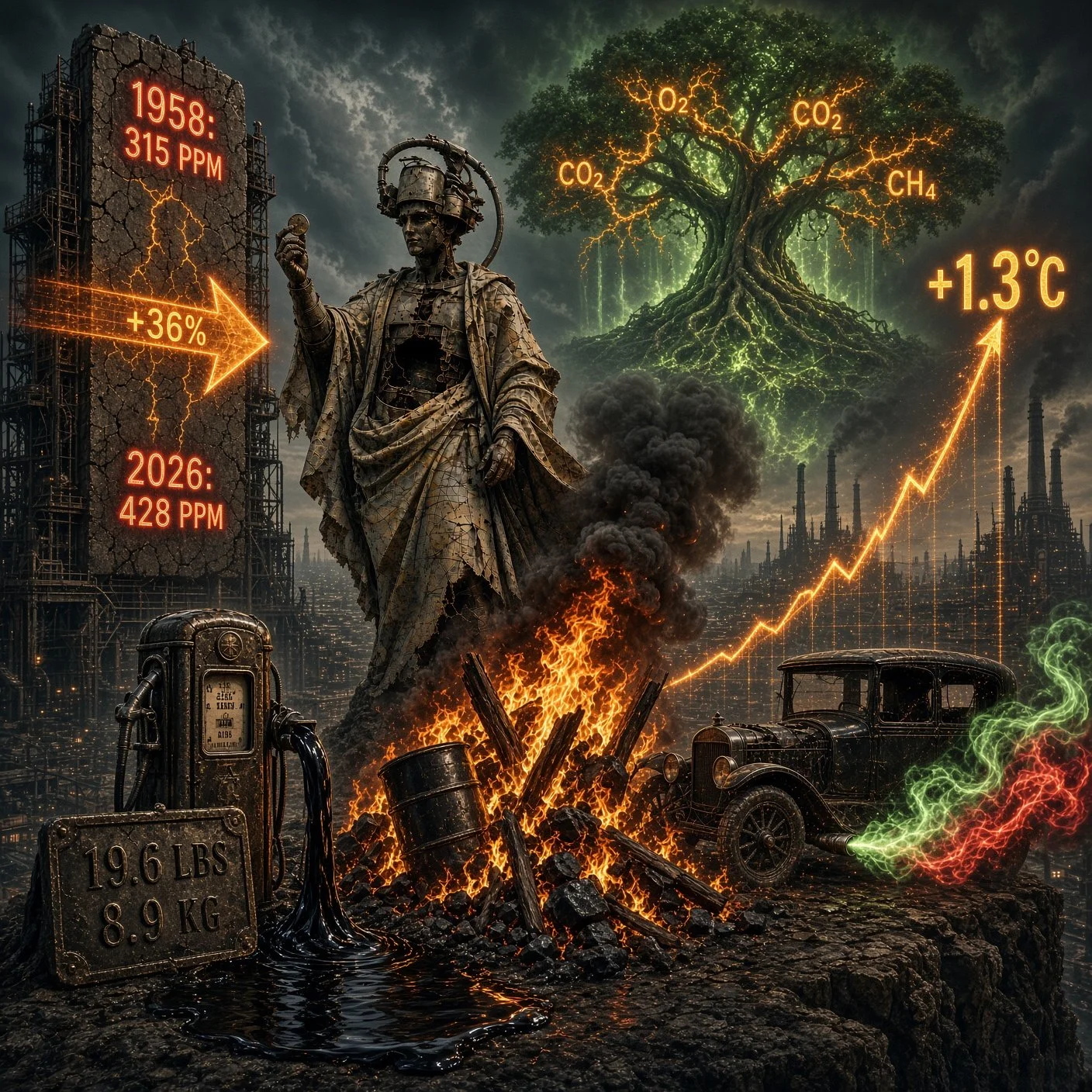
Section 2: The Great Carbon Myth Uncovered
For over two centuries, humanity has been pumping CO2 into the atmosphere at a rate never before recorded in history. Our CO2 rates have risen faster in the past half century than has ever been noted in the ice core records. Warming continues. Ice melts. The warming is MEASURED.
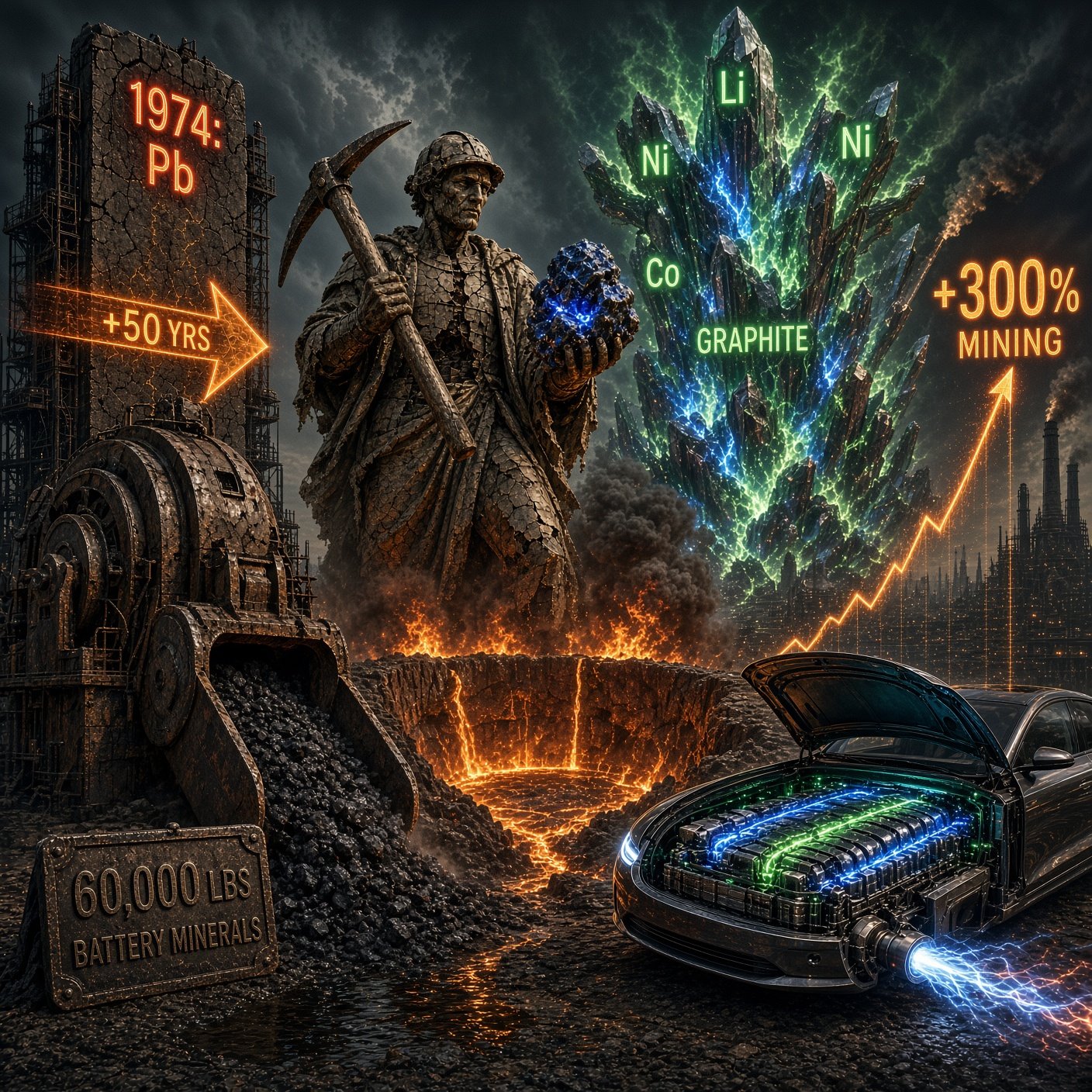
Section 3: The Rare Metals Reality Check
The electric vehicle (EV) argument often arrives as a mining argument. The car is “just as bad,” or worse, because of rare earths and precious metals. Most of that sentence is a mix-up.
Most EV batteries do not use rare earth elements. Lithium, nickel, cobalt, manganese, graphite, and copper are the battery materials. Rare earths show up in some motors, in the magnets, and they are a different list. Lithium is not a rare earth.
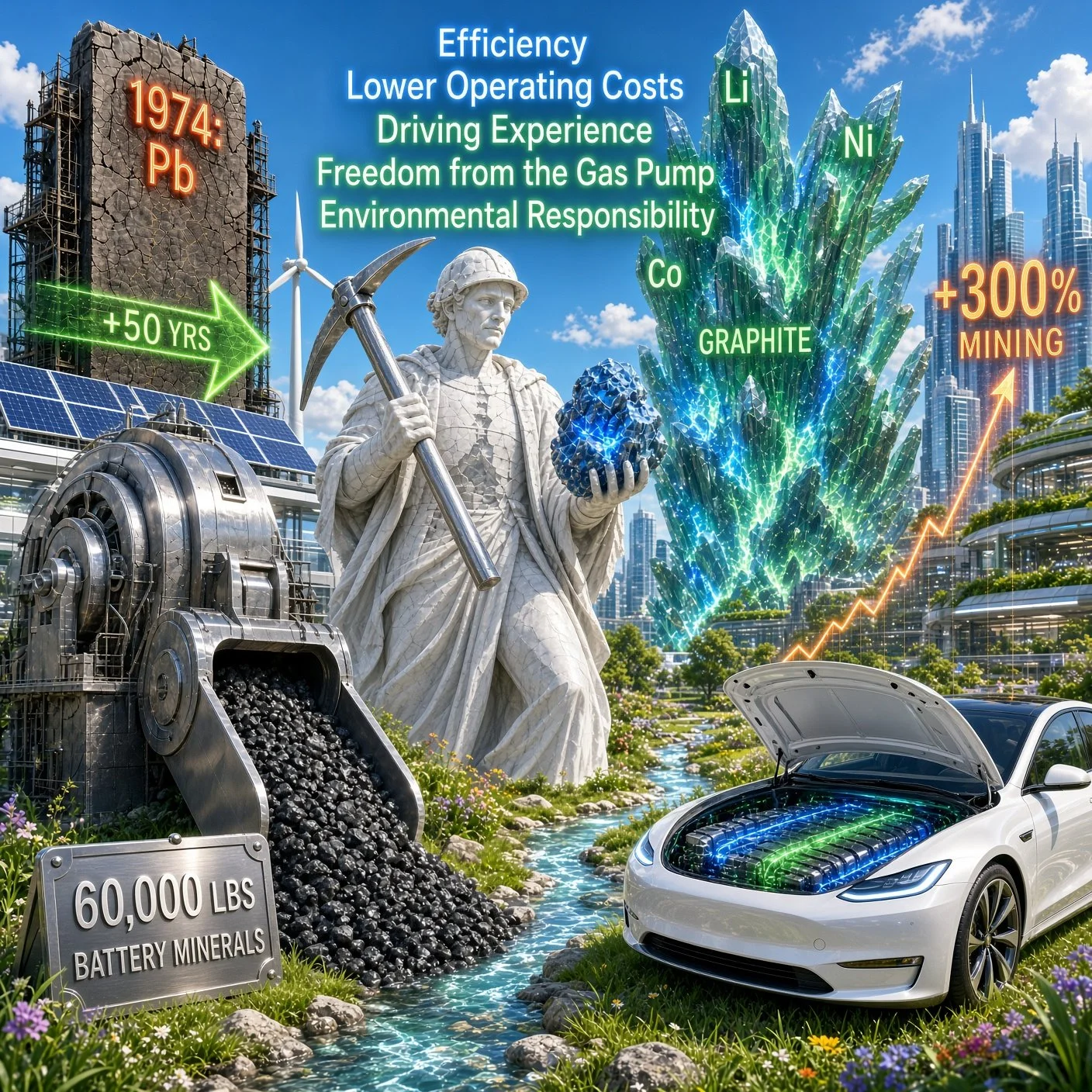
Section 4: The Top 5 Reasons to Electrify Your Automobile
There are a lot of good reasons to drive electric. Some are personal. Some are practical. Some are patriotic. This section is the top five, whether the motive is the bill, the air, the energy, or a better machine.
These are not a fan’s opinions standing alone. They are measurable. Where a number has moved since this chapter was first drafted, the page uses the later number.
Section 5: My Experience with an Electric Vehicle
Numbers are powerful. Data matters. Sometimes the convincing story is the one lived.
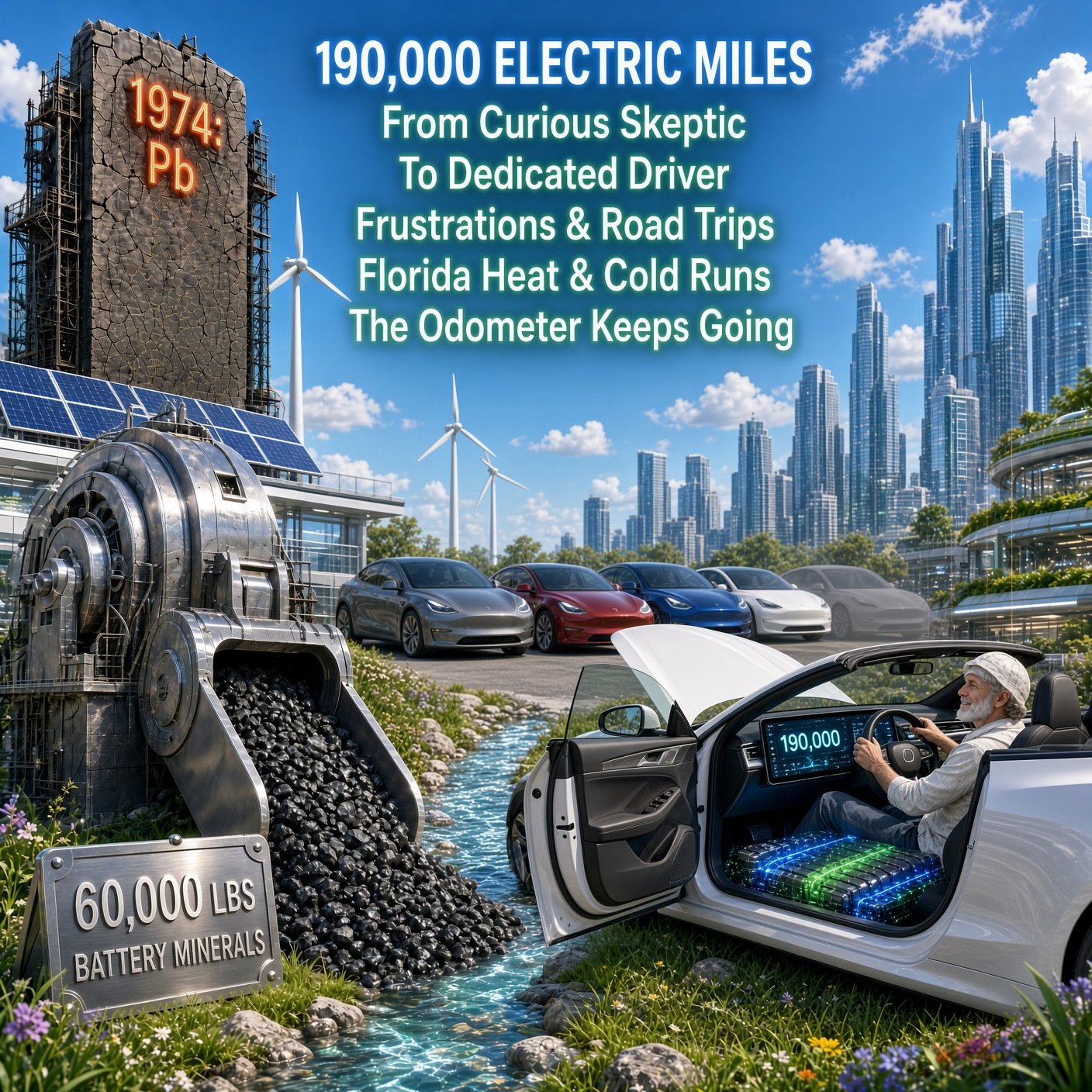
This section is mine. A curious skeptic, then a driver, then someone who would not go back. It covers three cars in the driveway and a fourth that has since left, close to 190,000 electric miles, road trips, Florida heat, cold-weather runs, frustrations, and the slow collapse of what I thought I knew about cars. The 140,000-mile mark was a waypoint, the figure in an earlier draft and in a video. The odometer did not stop there.
Section 6: Overcoming the Top 5 Objections
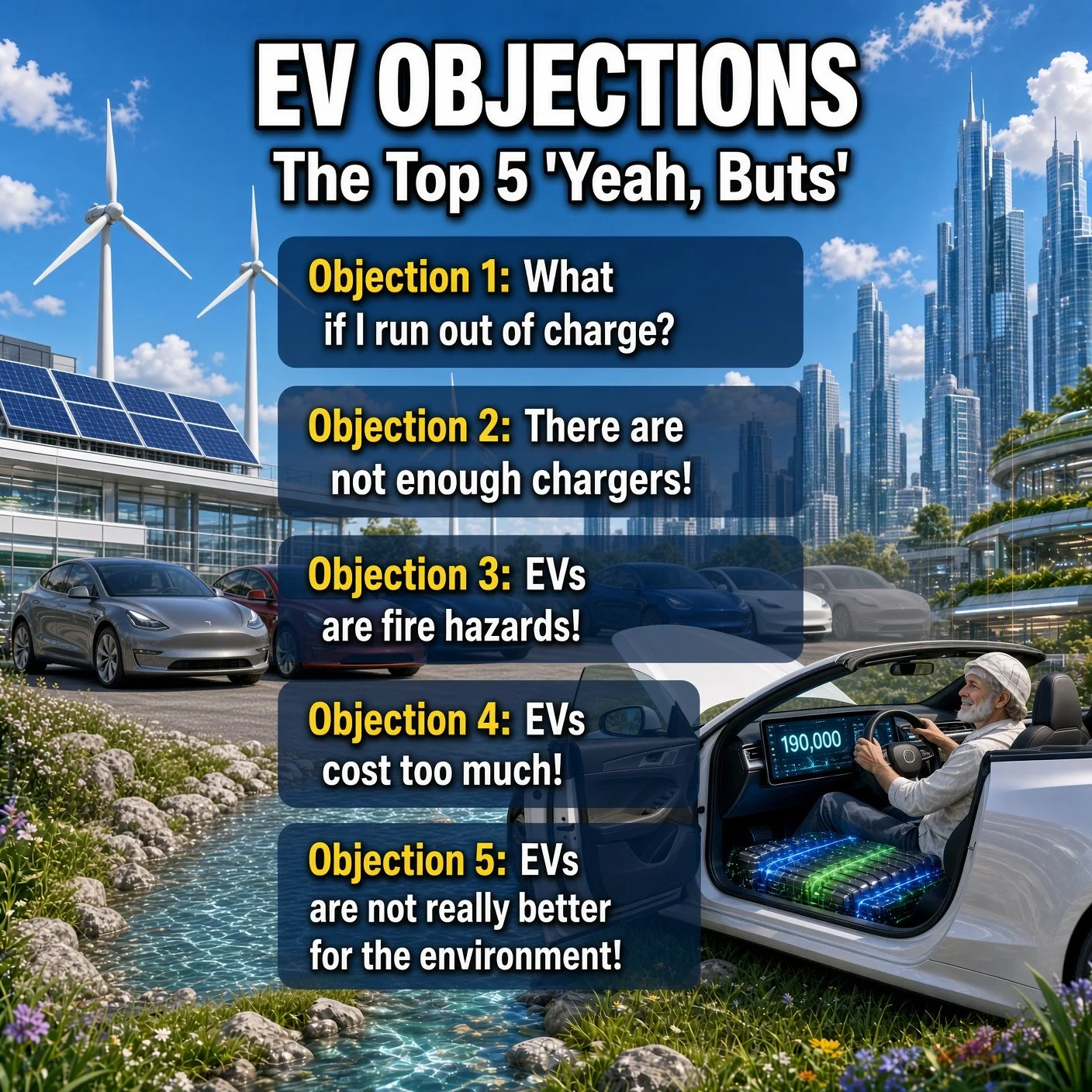
Let’s be honest. Electric vehicles (EVs) make some people uncomfortable. Change does that. It always has, and it always will.
A mix of media spin, fossil-fuel lobbying, and ordinary misunderstanding keeps a handful of objections in circulation. They sound reasonable. They do not survive a look at the numbers, or at a year of actually driving the car.
Section 7: What to Expect Now
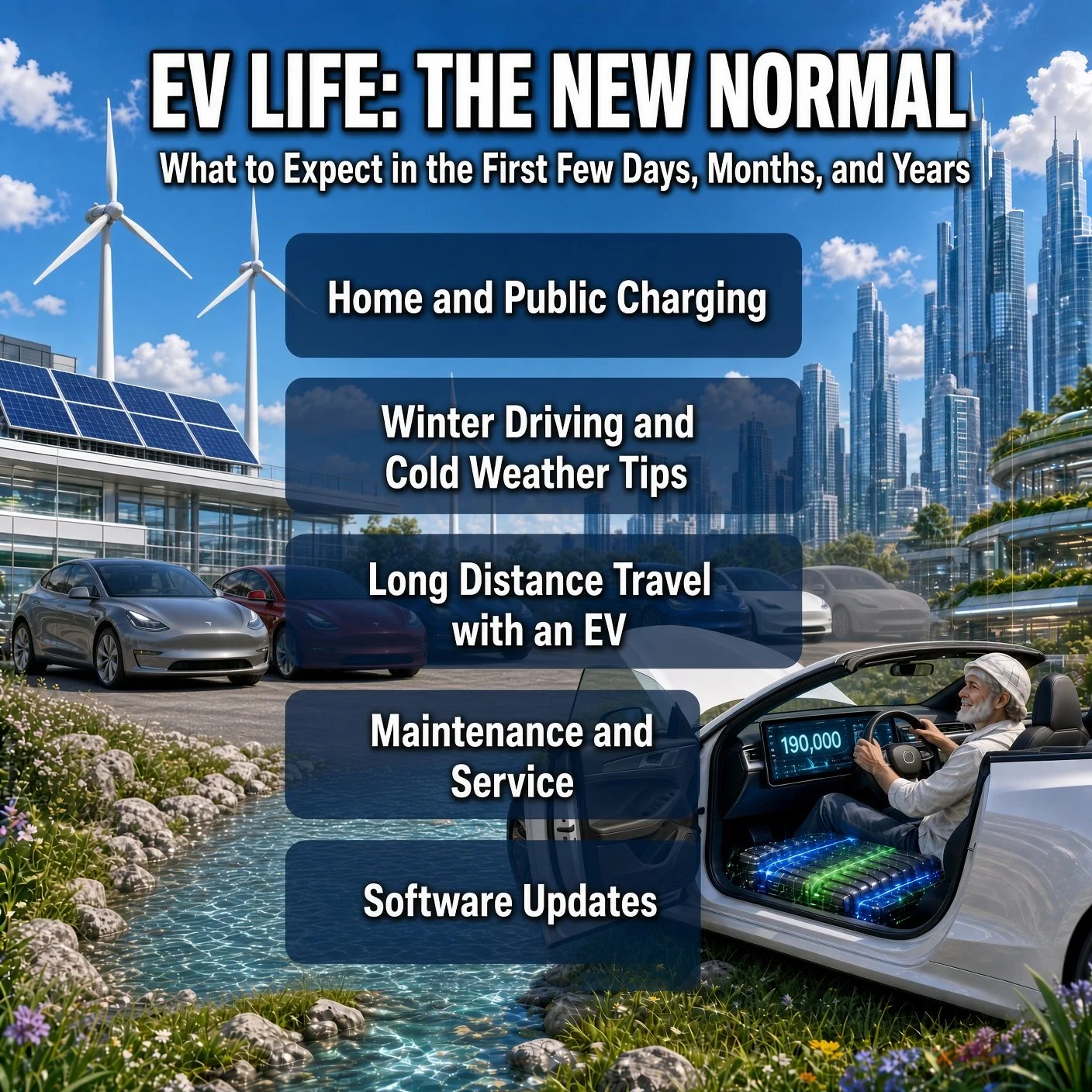
So you’re considering an electric vehicle (EV) — or maybe you just bought one. Welcome to the club.
What’s it really like to drive electric today? What should you expect from the first few days, months, and years?
Section 8: What to Expect in the Very Near Future
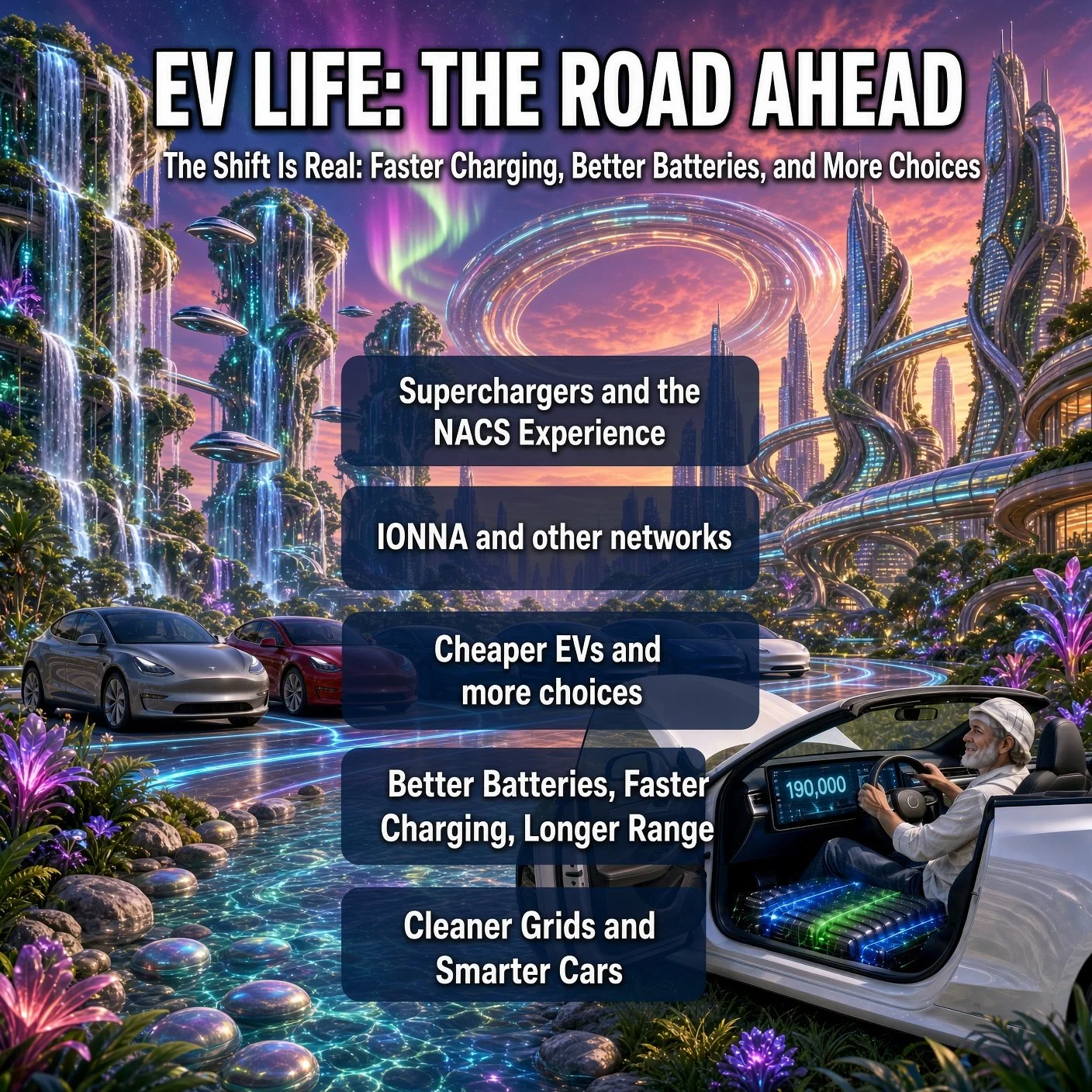
If the last five years of electric vehicle (EV) growth have taught us anything, it’s this: the shift is real, and it is not finished.
EVs are not a passing fad. They are a permanent change in the way we move people and goods. Today’s cars already make the case. The next few years should make them faster to charge, easier to plug in, and available in more shapes and prices. Some of the promises from a few years ago have already landed. Some slipped. This section is about the road immediately ahead, not a wish list.
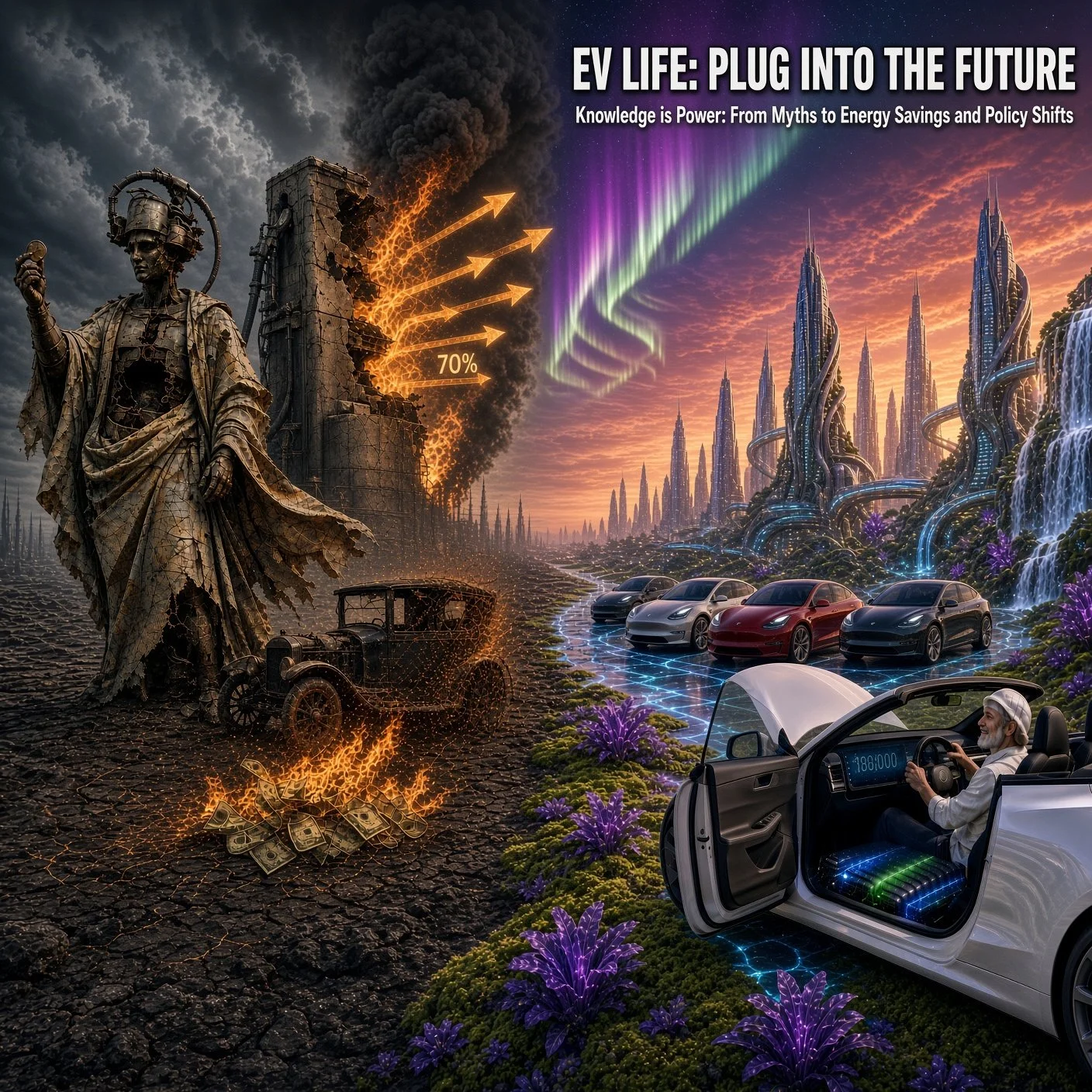
Section 9: Recommendations and Conclusion
You’ve made it. From myths and misinformation to energy savings, policy shifts, and personal experience — you now know more about electric vehicles (EVs) than almost anyone you will run into at the grocery store.
But knowledge without action is just trivia.